

**Title: The Essential Role of Truck Mounted Cranes in Large-Scale Projects**
### Introduction
In the realm of construction and heavy lifting, efficiency and versatility are paramount. As projects grow in scale and complexity, the tools and machinery used must adapt to meet these demands. One such versatile machine is the truck mounted crane. This powerful equipment has become indispensable in large-scale projects, ranging from commercial construction to infrastructure development. The following article delves into the mechanics, applications, advantages, and considerations of truck mounted cranes, illustrating their critical role in the modern construction landscape.
### 1. Understanding Truck Mounted Cranes
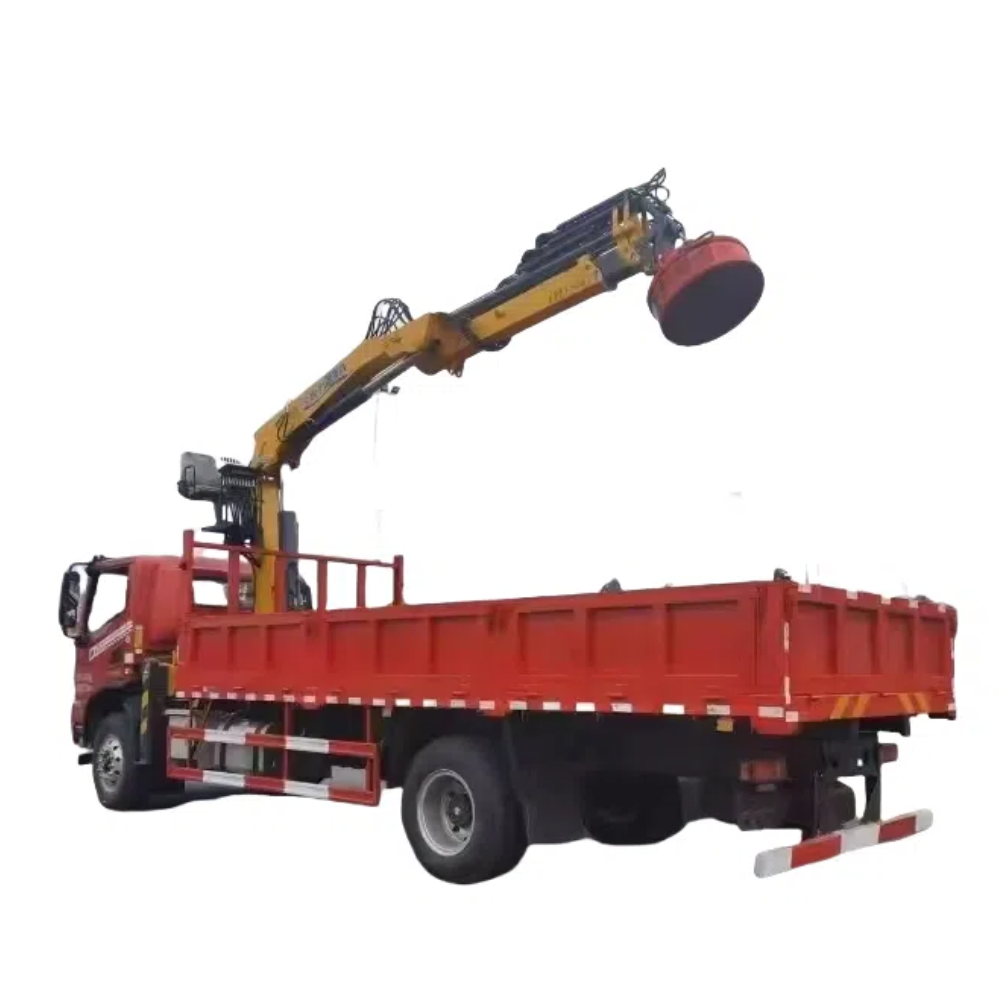
Truck mounted cranes, sometimes referred to as truck cranes, are specialized cranes mounted on a truck chassis. This design allows for mobility and flexibility, enabling the crane to travel on public roads and reach various job sites with ease. Unlike stationary cranes, which require significant setup and can only operate in a fixed location, truck mounted cranes combine the features of a truck and a crane, offering both transport and lifting capabilities in a single unit.
#### 1.1 Components of Truck Mounted Cranes
A typical truck mounted crane consists of several key components:
- **Chassis**: The truck's frame and axles provide the foundation for the crane and its lifting operations. The chassis is designed to carry heavy loads and offers stability during operation.
- **Crane Boom**: The boom is the arm of the crane that extends to lift and lower loads. Boom lengths can vary, with some cranes featuring telescopic booms that can extend to reach greater heights or distances.
- **Outriggers**: Stabilizing legs that extend from the truck to provide additional support during lifting operations. Outriggers help to prevent tipping and increase the crane's lifting capacity.
- **Winch and Hook**: The winch mechanism allows the operator to control the lifting and lowering of loads, while the hook is used to attach and secure the load being lifted.
- **Operator Cabin**: The cabin is where the crane operator controls the crane's functions, typically equipped with various controls and instruments to monitor operations.
### 2. Applications of Truck Mounted Cranes
Truck mounted cranes are utilized across a wide range of industries and applications. Their adaptability makes them suitable for various tasks, including:
#### 2.1 Construction
In construction, truck mounted cranes are often used to lift heavy materials such as steel beams, concrete blocks, and pre-fabricated components. They are particularly effective in urban environments where space is limited, and mobility is crucial.
#### 2.2 Infrastructure Development
Infrastructure projects, such as bridge construction and road maintenance, often require the lifting of heavy equipment and materials. Truck mounted cranes can easily transport materials to remote job sites and provide the necessary lifting power.
#### 2.3 Telecommunications
The telecommunications industry frequently employs truck mounted cranes to install and maintain communication towers. The ability to navigate to various locations while carrying the necessary equipment makes these cranes invaluable for this sector.
#### 2.4 Utility Services
Utility companies utilize truck mounted cranes for tasks such as power line installation and maintenance, tree trimming, and other service-related tasks. The mobility of these cranes allows crews to quickly reach job sites and perform necessary work efficiently.
### 3. Work truck trends and innovations in 2024 of Truck Mounted Cranes
Truck mounted cranes offer several advantages that make them a preferred choice for large-scale projects.
#### 3.1 Mobility and Accessibility
One of the most significant benefits of truck mounted cranes is their mobility. Able to drive on public roads, these cranes can easily access remote job sites without the need for extensive transportation logistics. This capability reduces downtime and increases productivity.
#### 3.2 Versatility
Truck mounted cranes can perform a wide range of lifting tasks, from simple material handling to complex construction operations. Their ability to adapt to various job requirements makes them versatile tools on construction sites.
#### 3.3 Quick Setup and Operation
Unlike stationary cranes, which often require time-consuming setup processes, truck mounted cranes can be operational within minutes of arriving at a job site. This efficiency is crucial for keeping projects on schedule and minimizing delays.
#### 3.4 Cost-Effectiveness
By combining transportation and lifting capabilities, truck mounted cranes can reduce the need for multiple pieces of equipment on a job site. This consolidation can lead to lower operational costs and simplified logistics.
### 4. Considerations When Using Truck Mounted Cranes
While truck mounted cranes offer many advantages, there are also several considerations to keep in mind to ensure safe and efficient operations.
#### 4.1 Load Capacity
Every truck mounted crane has a specific load capacity that must not be exceeded. Operators must be aware of the crane's limits and carefully calculate loads to prevent accidents or equipment failure.
#### 4.2 Stability and Outrigger Deployment
Proper deployment of outriggers is essential for stability during lifting operations. Operators should always ensure that outriggers are fully extended and positioned correctly to distribute the crane's weight and prevent tipping.
#### 4.3 Operator Training and Certification
Operating a truck mounted crane requires specialized training and certification. It is crucial for operators to be knowledgeable about the crane's functions, safety protocols, and load calculations to maintain safety on the job site.
#### 4.4 Site Conditions
Before beginning operations, it is essential to assess the job site for any potential hazards, such as uneven ground, overhead obstructions, or limited space. Understanding these conditions can help operators make informed decisions about crane placement and lifting strategies.
### 5. Safety Considerations in Truck Mounted Crane Operations
Safety is paramount in any construction or heavy lifting operation. When using truck mounted cranes, several safety practices should be adhered to:
#### 5.1 Regular Inspections
Routine inspections of the crane's components, including the boom, winch, and outriggers, are critical to ensuring safe operation. Any signs of wear or malfunction should be addressed immediately.
#### 5.2 Communication
Clear communication among the crane operator, ground crew, and other personnel is essential for safe operations. Using hand signals or two-way radios can help coordinate lifting activities and prevent accidents.
#### 5.3 Personal Protective Equipment (PPE)
All personnel on the job site should wear appropriate PPE, including hard hats, safety glasses, gloves, and high-visibility clothing, to reduce the risk of injury.
#### 5.4 Adhering to Regulations
Operators must comply with local, state, and federal regulations regarding crane operations. This includes understanding weight limits, operational guidelines, and safety standards.
### 6. The Future of Truck Mounted Cranes
As technology continues to evolve, truck mounted cranes are also improving. Innovations in design, materials, and technology are enhancing their performance and capabilities.
#### 6.1 Advanced Control Systems
Modern truck mounted cranes often come equipped with advanced control systems that allow for greater precision and ease of operation. These systems can include remote controls, load monitoring, and automated safety features.
#### 6.2 Eco-Friendly Innovations
With an increasing focus on sustainability, manufacturers are developing eco-friendly truck mounted cranes that use alternative fuels and energy-efficient designs. These innovations can help reduce the environmental impact of construction activities.
#### 6.3 Enhanced Safety Features
The integration of technology has led to the development of enhanced safety features, such as overload protection systems, anti-collision sensors, and real-time monitoring systems that improve the safety of crane operations.
### Conclusion
Truck mounted cranes play a vital role in large-scale projects across various industries. Their combination of mobility, versatility, and efficiency makes them indispensable tools for construction, infrastructure, and utility services. By understanding their capabilities, adhering to safety protocols, and embracing technological innovations, operators can maximize the benefits of truck mounted cranes while ensuring safe and successful project outcomes. As the construction landscape continues to evolve, the importance of these cranes will only grow, solidifying their place as essential equipment in the modern construction toolkit.
In conclusion, whether lifting heavy steel girders, installing telecommunication towers, or performing utility maintenance, the truck mounted crane stands out as a critical asset. The future promises further advancements, making these cranes even more effective and safer for the challenges ahead in large-scale projects.